ADVANCED OPERATIONS & APPLICATION TRAINING

Specialist application training.
Theory. Practice. Outcomes.

Build the foundation. Develop the specialisation. Our Remotely Piloted Aircraft Systems (RPAS) training pathways connect technical theory, supervised practice and reviewed outputs. New entrants begin with the appropriate foundation; experienced Drone Operators develop the specialist application required for their work.

Explore the courses
FROM FUNDAMENTALS TO SPECIALIST PRACTICE

Plan the mission.
Control the aircraft.
Deliver usable evidence.

Learn the principles, apply them through supervised field exercises, then demonstrate your method and review the resulting data. Courses focus on confined spaces, demanding industrial environments and specialist capture.

Request a course outline
  1. Confirm your starting pointNew to drones? Discuss a Remote Pilot Licence (RePL) pathway with Global Drone Solutions where required. Experienced Drone Operators begin with a review of their existing capability.
  2. Learn with professional guidanceConnect theory, mission preparation and supervised practice.
  3. Demonstrate your specialist capabilityComplete the practical task and review the resulting evidence.
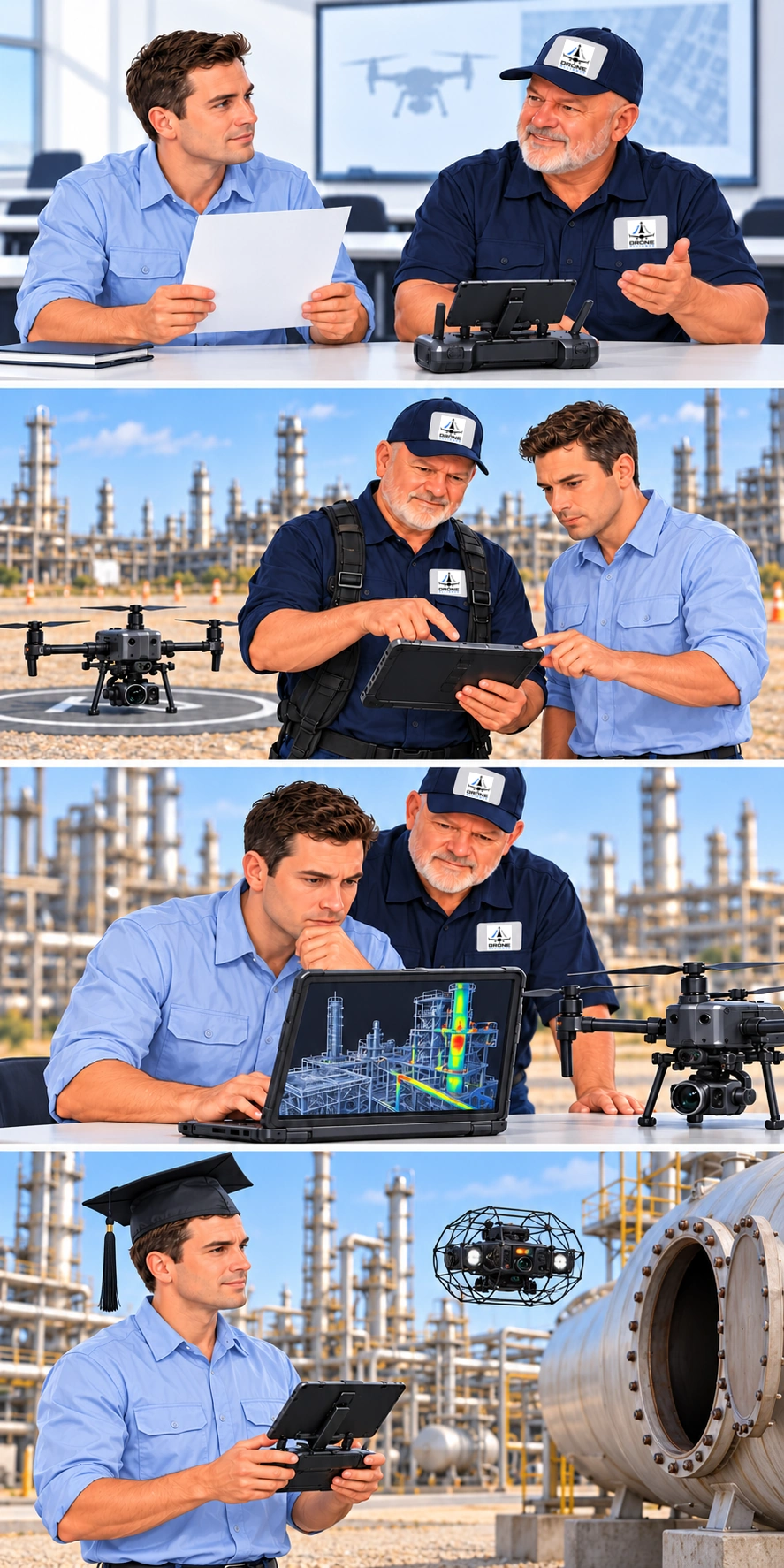
Four illustrated training scenes: guided learning, practical coaching, data review, and a confident graduate in a black mortarboard operating a caged inspection drone towards an open gas-plant vessel.
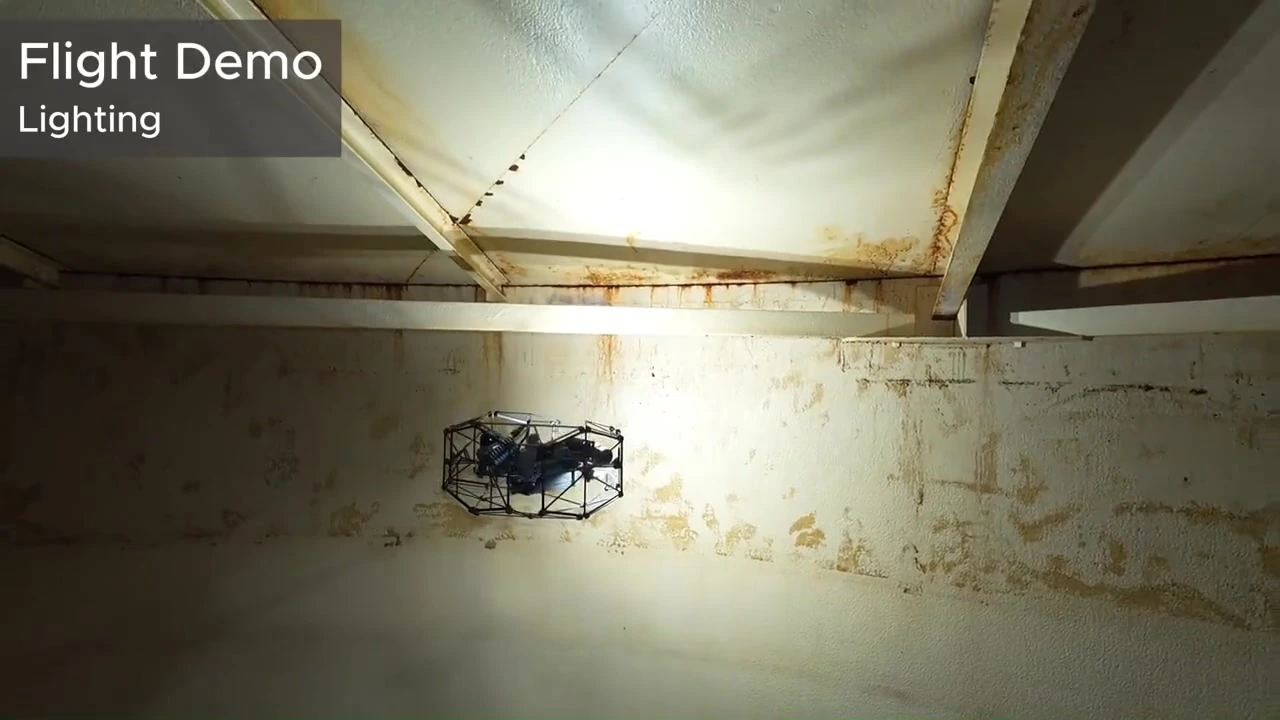
Nolvis X1 demonstrating flight and lighting inside a confined industrial vessel
01 / CONFINED SPACE

Control in
constrained spaces.

Navigation without Global Positioning System (GPS) reception, inspection coverage and recovery planning in tanks, vessels and internal structures.
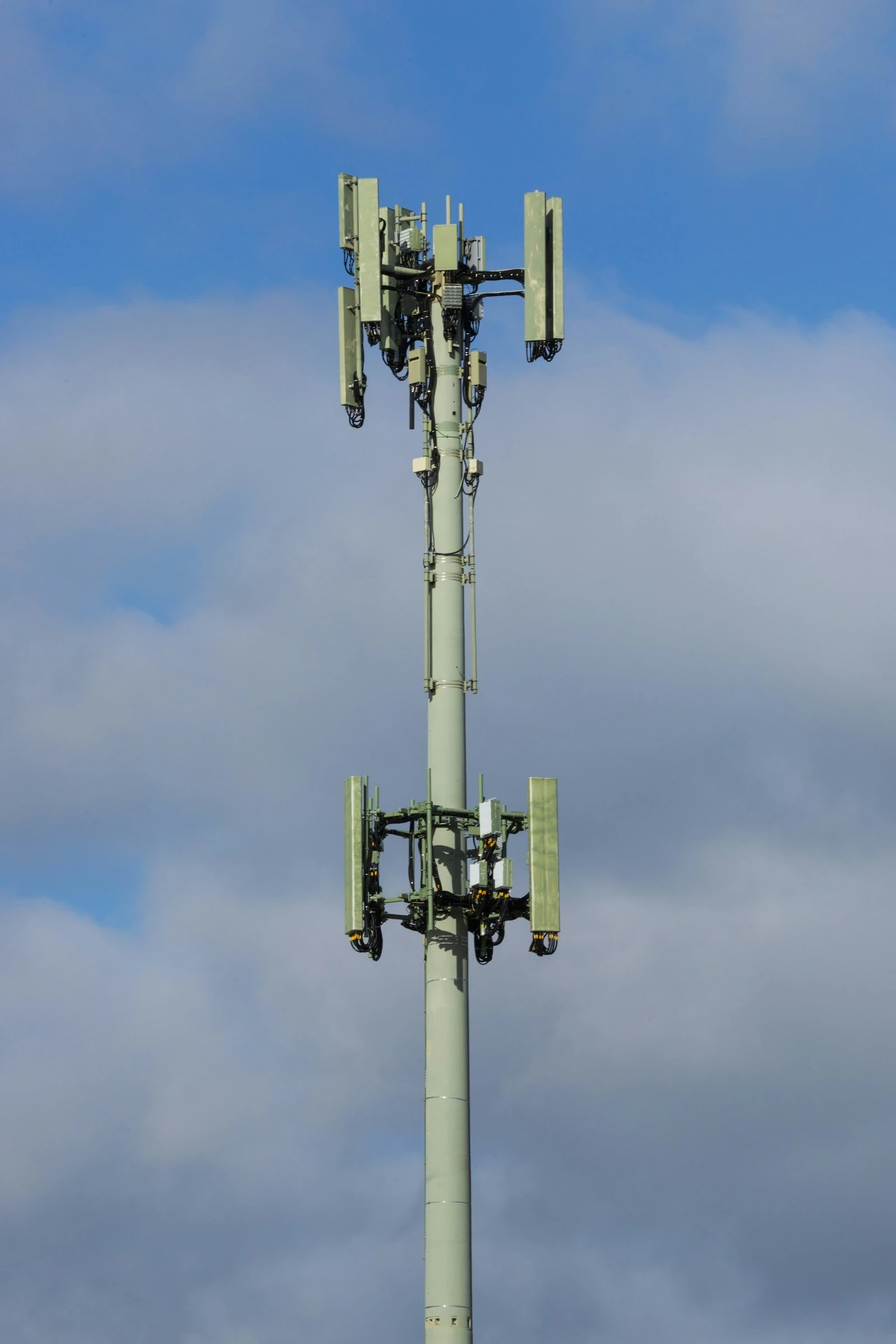
Australian telecommunications tower illustrating a complex infrastructure operating environment
02 / CHALLENGING OPERATIONS

Judgement around
complex assets.

Obstacles, crew coordination, wind, visibility and contingency decisions around active industrial sites.
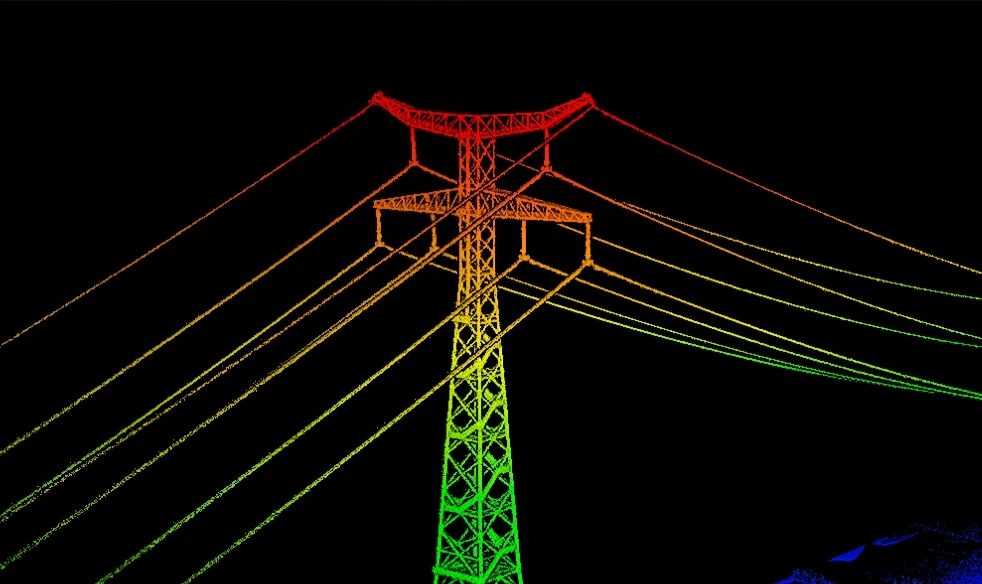
DJI LiDAR infrastructure point cloud illustrating a specialist spatial deliverable
03 / APPLICATION & ASSESSMENT

Capture data.
Prove the output.

Build skills across the five disciplines and AVISpect Reporting, from capture to validated deliverables.

Application references: Nolvis, Troy Mortier / Unsplash and DJI. The photographs illustrate flight and inspection contexts.

SPECIALIST COURSE CATALOGUE

Choose the capability
you want to develop.

Each course connects theory to a practical task and a defined learning outcome. Course outlines specify prerequisites, theory topics, practical exercises, assessment evidence and criteria for successful completion. Select a course to request its outline.

Advanced operations in challenging environmentsMission plan, work method and scenario decisions
Theory
Mission risk, human factors, crew coordination and contingency decisions.
Practical focus
Plan and conduct a scenario involving constrained access, obstacles, changing conditions or an abnormal event.
Target outcome
A reviewed flight plan and work method, with demonstrated operational decisions.
Request this course outline
Confined-space RPAS inspectionAircraft control, coverage and inspection record
Theory
Navigation without Global Positioning System (GPS) signals, lighting, coverage, recovery planning and inspection evidence.
Practical focus
Plan a confined-space inspection, practise aircraft control and capture location-linked observations.
Target outcome
Demonstrated control and coverage, with a reviewed inspection record.
Request this course outline
Light Detection and Ranging (LiDAR) capture and processingCapture plan and checked point cloud
Theory
Laser measurement, coordinate systems, sensor setup, capture design and quality checks.
Practical focus
Plan and capture a dataset using the agreed drone or handheld system, then process and check the point cloud.
Target outcome
A reviewed point-cloud deliverable with documented checks and limitations.
Request this course outline
ThermographyThermal finding with supporting visual evidence
Theory
Thermal principles, environmental effects, equipment settings and interpretation limits.
Practical focus
Capture paired thermal and visual evidence, assess conditions and interpret selected indications.
Target outcome
A reviewed thermal finding supported by context, evidence and stated limitations.
Request this course outline
Photogrammetry & three-dimensional (3D) modelling3D model or orthomosaic with quality checks
Theory
Capture geometry, image quality, control, processing and accuracy assessment.
Practical focus
Plan image coverage, process a dataset and assess the model or orthomosaic.
Target outcome
A reviewed spatial output with documented quality checks.
Request this course outline
Gas detection & quantificationDetection record and evaluation of measurement limits
Theory
Sensor suitability, detection limits, environmental effects and quantification requirements.
Practical focus
Plan a detection exercise, record conditions and evaluate indications or a suitable training dataset.
Target outcome
An evidence-based detection record; quantified outputs only where the method and data support them.
Request this course outline
Surveying applicationsSurface or volume output with accuracy checks
Theory
Datums, control, accuracy specifications, independent checks and intended use.
Practical focus
Plan a terrain or stockpile exercise and evaluate the resulting measurements.
Target outcome
A reviewed surface or volume output with control and accuracy checks.
Request this course outline
AVISpect Reporting & Microsoft Power BIAnomaly register, recommended responses and dashboard
Theory
Finding structure, unique locations, criticality, evidence traceability and metrics.
Practical focus
Develop an anomaly register, recommended responses and a dashboard from a training dataset.
Target outcome
A reviewed reporting example connecting findings, actions and metrics.
Request this course outline

Duration, prerequisites, equipment, delivery location and assessment criteria are confirmed in the course outline before booking. Specialist application training uses AVISpect’s methodology and competency framework; pilot licensing pathways are arranged through the appropriate training provider.

A connected
training pathway.

Explore Global Drone Solutions

Pilot and operational training

Connect with Global Drone Solutions for pilot licensing, endorsements and operational training.

Drone Alliance application training

Drone Alliance delivers specialist application training using AVISpect’s methodology and competency framework.

Provider, prerequisites and assessment scope are confirmed for your selected programme.